Field notes6 min read
The case for the shoulder season
The weeks either side of peak season usually give you a better version of the same place: fewer people, softer light and lower costs, in exchange for weather you have to plan around.
By Erica
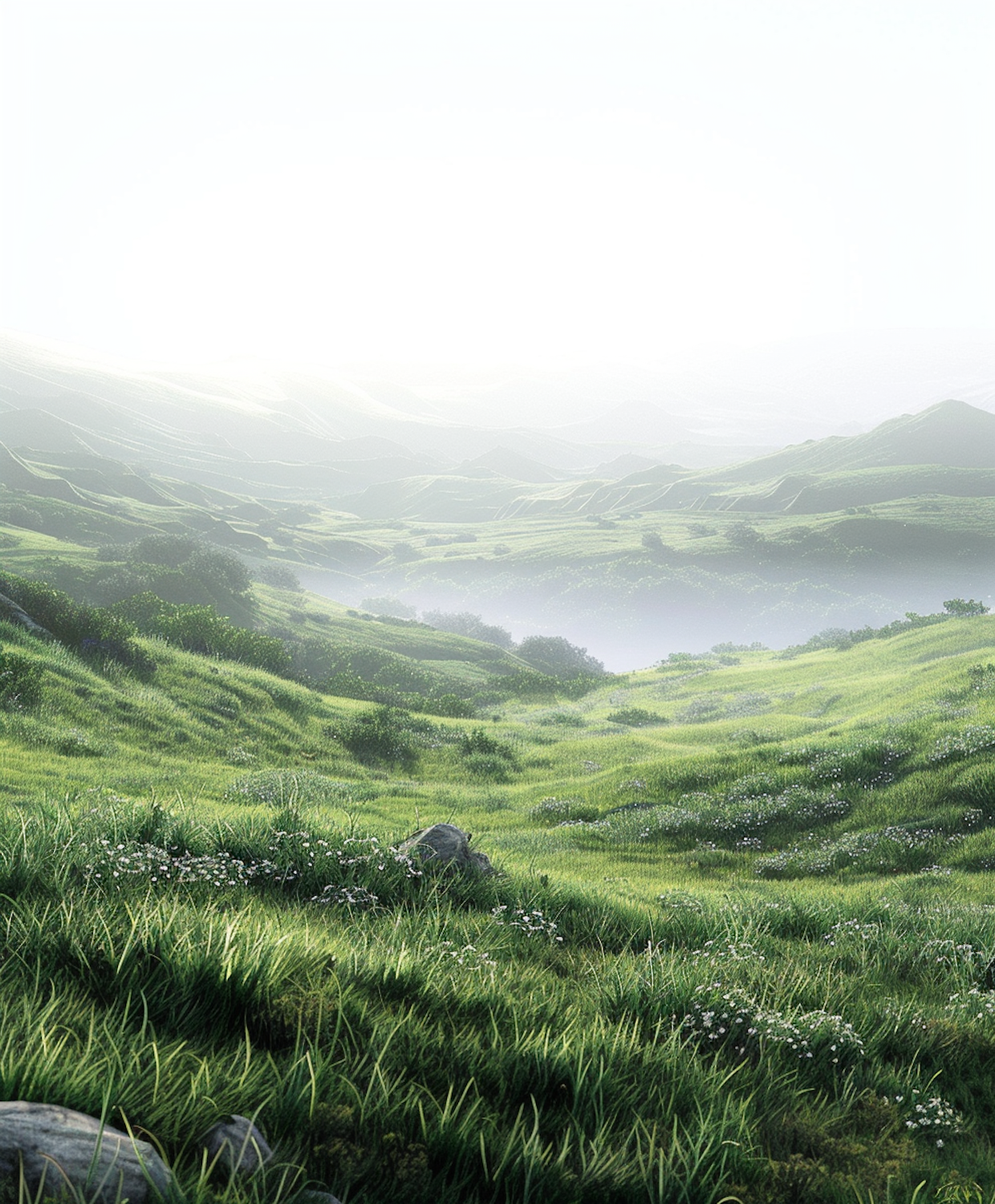
Almost every trip I have loved was taken slightly out of step with everyone else. Not in the depths of the off season, when half a place is shuttered and the weather makes a nonsense of any plan, but in the weeks on either side of the peak, when the crowds have either not arrived yet or have just gone home.
Shoulder season is not a free upgrade, though, and I want to be honest about that before anything else. You trade certainty for space. Some of the days you were counting on will be wet, or cold, or closed. What you get back is a version of the place that behaves more like itself, and on balance that is the trip I would rather have.
What shoulder season actually means
There is no fixed definition, which is the first thing to get straight. The shoulder is simply the transition on either side of a destination's high season, and where it falls depends entirely on what draws people there in the first place.
For a coastal destination it tends to track sea temperature and school holidays. For a mountain region it can invert completely, because the quiet weeks for walkers are the busy ones for skiers, and the shoulder sits in the gaps between the two, when the snow is going and the trails have not opened. For a city the pattern is often driven less by weather than by conferences, festivals and public holidays, which is why a city can be uncomfortably full in what looks on paper like a quiet month.
So the useful question is never when the shoulder season is in the abstract. It is what specifically fills this place, and when that stops. Tourist board pages, local walking or diving forums, and the opening dates published by the sites you actually want to visit will all tell you more than a general guide, including this one.
The weather trade-off, stated honestly
You will lose days. This is the part that gets glossed over in most arguments for travelling out of season, so I would rather put it near the top. Move a fortnight either side of the settled window and you are accepting a wider spread of possible weather, and some of that spread is genuinely bad.
The way I handle it is to plan as though a portion of the trip will be written off, and to make sure the trip still works if it is. That means not hanging a whole visit on one viewpoint or one clear morning, keeping an indoor day per destination in reserve, and treating anything at altitude as provisional until I am standing at the bottom of it looking up.
It also means packing for two seasons rather than one, which is tedious but rarely a real cost. Layers, a proper waterproof and shoes you can walk a wet city in cover most of it. The compensation is that unsettled weather is often the more interesting weather: low cloud sitting on a hillside, a street that has just been rained on, light that moves through several moods in an afternoon.
The sites are quieter, and it changes the photographs
The difference in crowding is not subtle. A square you have to edge around in high season can be walkable a few weeks later, and the well-known viewpoints go from a scrum to a handful of people who nod at each other and get on with it.
For photography and filming this matters more than any decision about equipment. It is the difference between waiting for a gap in a crowd and being able to set up properly, watch the light for half an hour and take the frame you came for. It quietly changes what you are permitted to do as well, because staff dealing with a queue out of the door will move you along, and the same staff on a quiet morning will often let you take your time.
The empty version of a place is not automatically the truer one, and I try not to be sentimental about that. But it is easier to look at, and looking properly is most of why I go.
The money side, in general terms
I am not going to put numbers on this, because they move constantly and vary enormously by destination. The pattern is consistent, though. Flights and accommodation are priced by demand, and demand falls away once the peak weeks end.
The practical effect is less about the total saved than about what the same budget buys. Out of season, the room you can afford is often the better room in the better position, on the flexible terms rather than the locked-in rate. When the weather is uncertain, that flexibility is worth at least as much as the discount.
One caveat worth checking before you assume a cheap week: a local festival or public holiday can lift prices sharply in the middle of an otherwise quiet stretch, and it will do it for the specific place rather than the whole country.
Some of it will be closed
This is the real cost of travelling at the edges, and it catches people out far more often than rain does. Seasonal businesses close, and they close on their own schedule rather than a published one.
In coastal and mountain areas especially, whole categories of thing may simply not be running: the restaurant that opens for the summer, the boat trip, the smaller museums that cut their days, the lifts and cable cars that stand still between seasons. High routes and passes can stay shut for snow long after the valleys look fine, and mountain huts often keep their own opening and closing dates that have little to do with the weather on the day.
The fix is dull and effective. Before booking anything, list the handful of things you would be sad to miss, check each one's own opening dates at source, then ask again nearer the time. If most of them are open, the trip works. If most of them are not, you have found the off season rather than the shoulder.
How I decide
I start by working out what the place is for, in my case, and then find the last or the first week in which that thing is still possible. If a trip is about walking, I want the routes open and the days long enough to use. If it is about a city and its streets, I care far less about temperature and far more about whether I can move.
Then I check three things in order: whether the specific sites I want are open, whether the transport I am relying on is running its full pattern, and whether a festival or holiday is sitting in the middle of my dates. If all three come back clear, I take the shoulder week and accept the weather risk knowingly.
It has gone wrong before and it will again. But averaged over years of travelling this way, the out-of-season trips are the ones I remember in detail, and the peak-season ones tend to blur into a queue.


