Southern EuropePlanned for April 2027
Madrid
A high plateau capital that keeps its own clock, where the art is world class and the evening happens standing up.
Spain
- Region
- Southern Europe
- Languages
- Spanish, with English less widely spoken than visitors expect
- Currency
- Euro (EUR)
- Getting around
- An extensive and inexpensive metro, plus a great deal of walking
- Best months
- April to early June
- Trip length
- Seven to ten days
The overview
Spain's inland capital sits high and dry on a plateau, with three great galleries along one boulevard, a park at its centre, and a social life conducted outdoors after dark.
Madrid sits higher than almost any other capital in Europe, planted in the middle of a dry plateau with mountains on the northern horizon. That altitude explains a great deal about the place: the light is hard and clean, the air is thin enough to sharpen every edge, and the temperature can swing dramatically between the shaded side of a street and the sunny one. It is a city built inland on purpose, and it has never pretended to be anything softer.
The other thing to understand is the clock. Madrid runs several hours later than most of Europe, so lunch arrives when other countries are thinking about the afternoon, and dinner belongs firmly to the night. Between those two poles you can walk from one world-class art museum to the next in a matter of minutes, along a single boulevard, and then spend the evening outdoors and standing up, moving between counters rather than settling at a table for hours.
I am planning ten days in April 2027, and the whole point is to adopt the local timetable rather than fight it: a late breakfast, the galleries in the early afternoon, a long pause when the sun is at its worst, and then out again from nine until well past midnight. Two of those days will go on fast-train trips to nearby historic cities, which sit close enough that you can be walking their old streets before the morning is over.
Things to see and do
What I am going to Madrid for
The list I am actually working from, rather than everything a place is known for.
Walk the art boulevard end to end
Three of the great European collections sit within a short stroll of one another along a single tree-lined boulevard. Do not try to see them in one day. Take one each afternoon, give yourself two or three hours, and check in advance which evenings offer free late entry, as those windows shift and the queues for them build early.
Start at the arcaded main square, then leave it
The great rectangular square at the heart of the old city is worth ten minutes of standing still and looking up at the painted facades. The terraces under the arcades charge for the privilege of the view. Have your coffee a street or two away instead, in the tangle of lanes running downhill, where the tiled bars and old shopfronts are.
Spend a morning in the big central park
The city's largest formal park is where Madrid goes to breathe, and it rewards an unhurried loop rather than a targeted visit. Aim for the ornamental glass pavilion set beside its own small lake, which is at its best in low morning light when the panes take on the colour of the water. Rowing boats are usually available on the main lake at weekends.
Eat standing at the counter
The local habit is to stand at the bar, order one thing, eat it, pay and move on to the next place. Resist the urge to sit down and order everything at once. Two or three counters in an evening is normal, prices are usually lower standing than seated on a terrace, and the food comes out faster than any kitchen with tables could manage.
Work through the markets, covered and open
Madrid keeps two kinds of market and both are worth your time. The restored iron-and-glass halls near the centre are largely given over to eating and drinking, best in the early evening before they fill. The neighbourhood produce markets further out are where the city actually shops, so go in the morning and expect the stalls to wind down by early afternoon.
See the royal palace early, and its gardens after
The palace is vast, heavily visited and best taken on the first entry of the day, when you can move through the state rooms without shuffling. Book online if you can, since timed slots sell out in spring. Afterwards, the formal gardens on the north side are free to enter and almost always quieter than the courtyard you queued in.
Treat flamenco as a concert, not a floor show
Flamenco here is a demanding art form with its own audience, and the difference between a serious performance and a dinner spectacle is obvious within a minute. Look for small rooms that sell tickets for the music rather than a set menu, go to the later session if there are two, and keep your phone down: the guitarists and singers can hear you.
Walk the old quarters after dark
The historic barrios are compact enough to cross on foot in an evening, and they change completely once the light goes. Start around ten, when the streets fill rather than empty, and let the noise pull you between squares. It is a comfortable city to walk at night, though the usual sense about crowded streets and loose bags applies.
Take the fast train out for a day
Several walled and cathedral cities sit close enough to Madrid that the high-speed train gets you there in well under an hour. Book a morning departure and an evening return the day before, travel light because of the security check at the station, and give yourself the whole day: these places are small but steeply built, and the walking adds up.
How to get there
Routes in, and how to move once you arrive
General guidance on the realistic ways to reach the destination. Routes, operators and journey times change, so confirm the current position before you book anything.
By air
A major international hub north-east of the city
Madrid's main international airport sits north-east of the city and is one of the largest hubs in Europe, with direct services from across the Americas, Europe, North Africa and the Middle East. It is on the metro network, which is the cheapest way in, though it involves a supplement and at least one change for most central destinations. Airport coaches run to the city centre through the night, and taxis into the central zone work on a flat rate rather than the meter. Confirm current schedules and fares with the operator before you travel.
By rail
The centre of the Spanish high-speed network
Madrid is the hub of the Spanish high-speed network, and almost every fast line radiates from one of its two main stations. Services reach the major cities of the north, south and east in a few hours, and competing operators now run the busiest routes, which usually means cheaper advance fares if you book early. Onward connections into France are possible with a change near the border or, on some routes, directly. Check which station your train leaves from, as the two sit on opposite sides of the centre.
By road
Easy to drive to, awkward to drive in
Spain's motorway network converges on Madrid, so arriving by car is straightforward and the driving between cities is generally easy. Inside the city a car is a liability. A large low-emission zone covers the centre and restricts which vehicles may enter, with cameras enforcing it, and street parking in the historic quarters is scarce and mostly permit-only. If you do drive, choose accommodation with its own space or use a car park on the edge and leave the vehicle there. Check the current zone rules before you set off, as they are tightened periodically.
By coach
The cheap option, if you have the hours
Long-distance coaches are consistently the cheapest way to reach Madrid from elsewhere in Spain and from several European cities, often at a fraction of the equivalent rail fare. The trade-off is time: routes that take two or three hours by fast train can take twice that by road. Services use large terminals on the southern and western edges of the centre, both on the metro. Overnight international routes exist and are best booked well ahead in summer. Confirm current schedules with the operator, as timetables change with the season.
Getting around
Metro for the distances, feet for everything else
The metro is extensive, clean, frequent and inexpensive by Western European standards, and a rechargeable card covers the whole network including the buses. It reaches almost everywhere a visitor needs, though the centre is compact enough that walking is often quicker than descending and changing lines. Buses are useful for crossing the parks, and taxis and ride apps are cheap for short hops late at night. Budget for a lot of walking on hard pavement and bring shoes you can stand up in for hours.
When to go
The year, season by season
What each part of the year actually feels like on the ground, including the months I would avoid.
Best monthsApril to early June
Spring
April to early June
The best window, and the one I am aiming for
Daytime temperatures climb from the high teens into the mid twenties Celsius, the plane trees come back and the terraces reopen properly. Evenings still need a jacket, and April can throw a week of rain at you, but the light is superb and the city is comfortable to walk all day. This is the window I am booking, so I expect company at the museums.
Summer
Late June to August
Genuinely severe heat, and half the city leaves
The plateau turns fierce. Afternoons regularly push into the high thirties Celsius with no coastal breeze to soften them, and the heat holds well into the night. Many residents leave for the coast or the mountains, so parts of the city feel shuttered. If you come, invert the day entirely: out early, indoors from midday, and back out again after dark.
Autumn
September to October
Almost as good as spring, with thinner crowds
The heat breaks in September and the second half of the month is often the equal of spring, with warm days, cool nights and fewer visitors than the peak. October is mild and increasingly changeable, and the light goes low and golden earlier in the evening, which suits filming. Rain becomes more likely as the month runs on, so pack a layer and something waterproof.
Winter
November to March
Cold, bright and dry, and much quieter
Colder than most visitors expect, with frosty mornings, daytime temperatures often around five to ten degrees Celsius and occasional snow on the mountains just to the north. What you get in return is dry, sharp, brilliant air and museums you can move around in freely. Bring a proper coat, take the sun at lunchtime, and accept that the outdoor social life moves indoors.
Photo gallery
Madrid in frames
Reference images gathered while planning the trip, shot wide and graded for contrast.
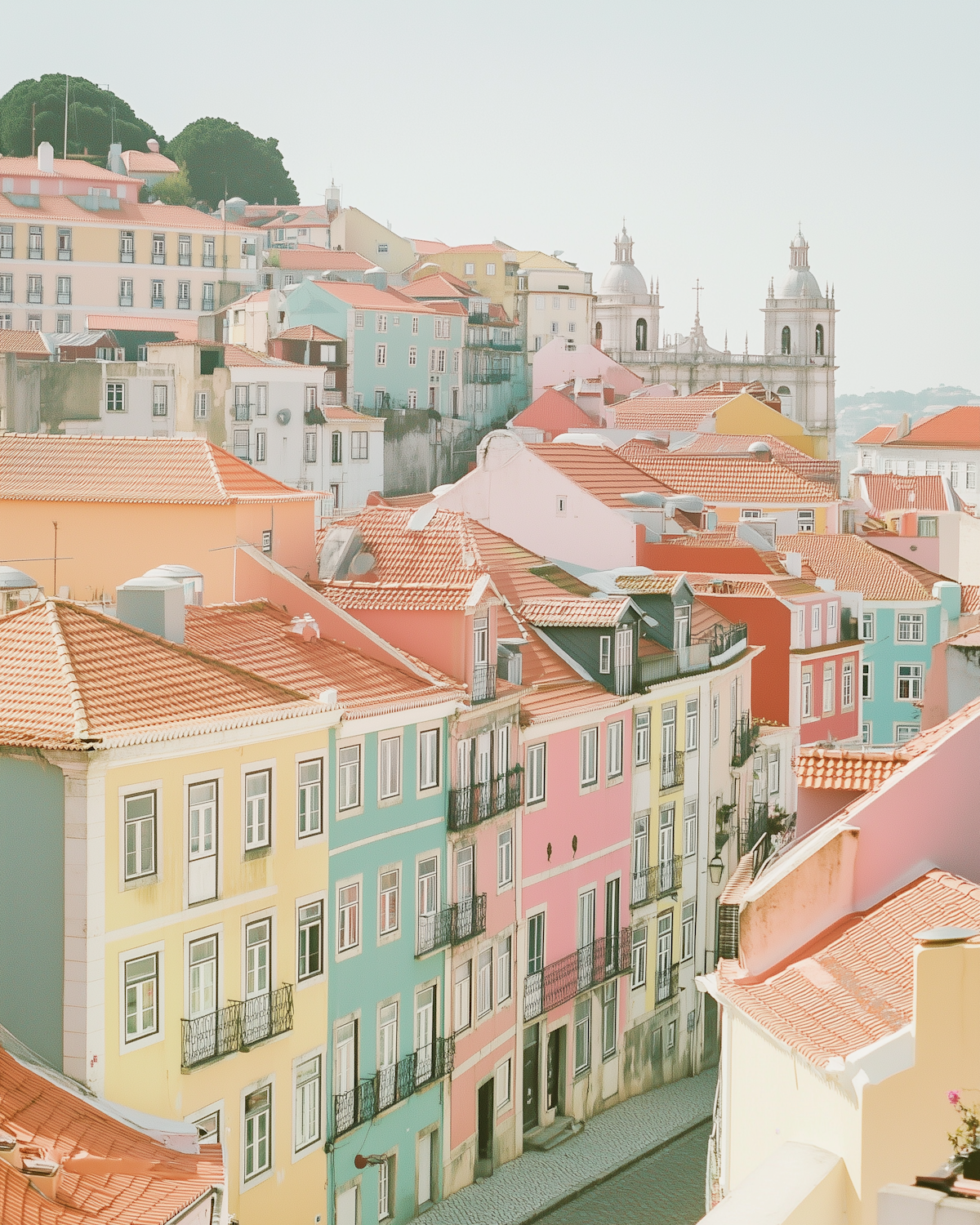
Painted facades and tiled roofs, with a church tower behind 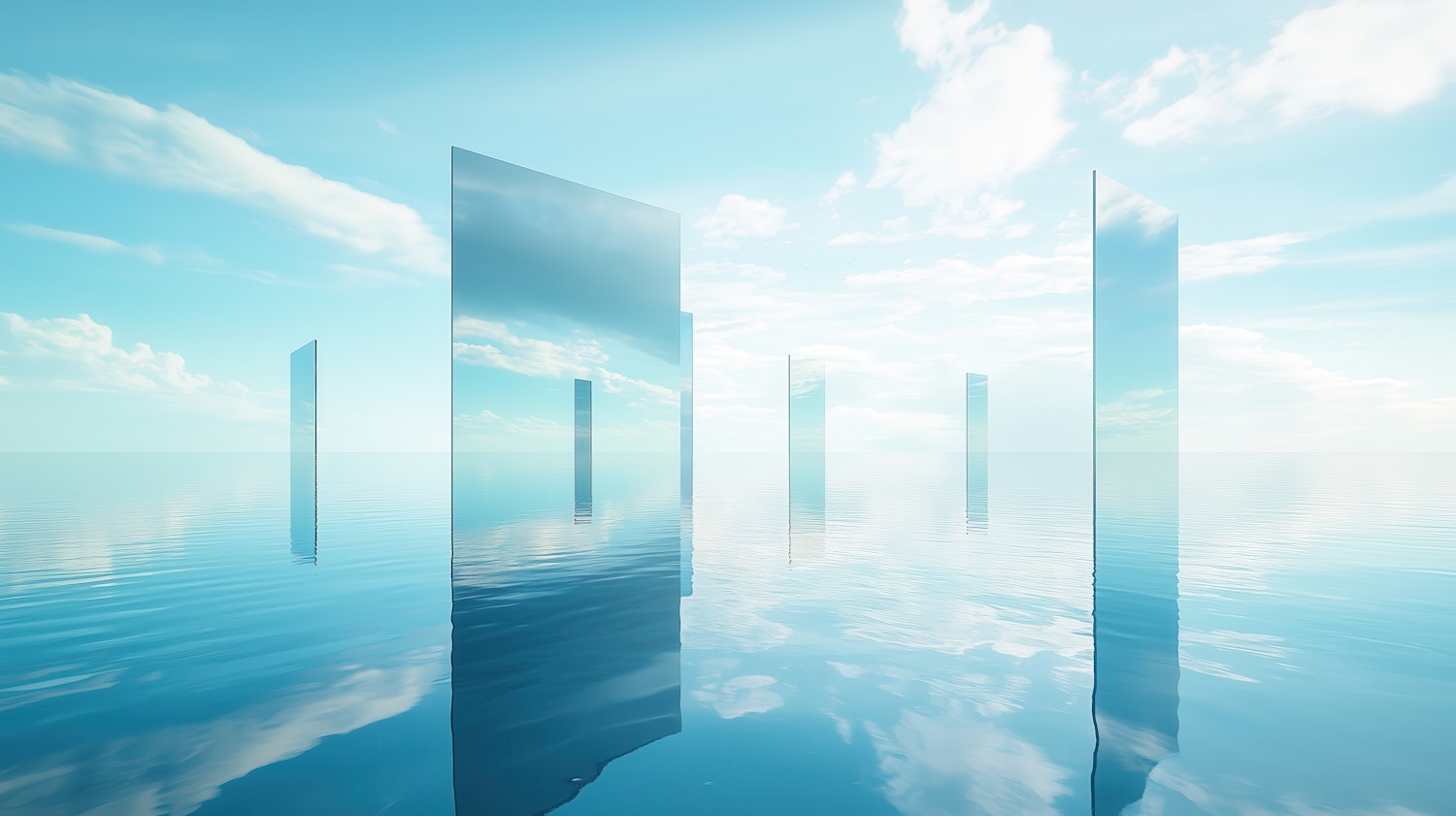
Glass and still water, the sky doubled 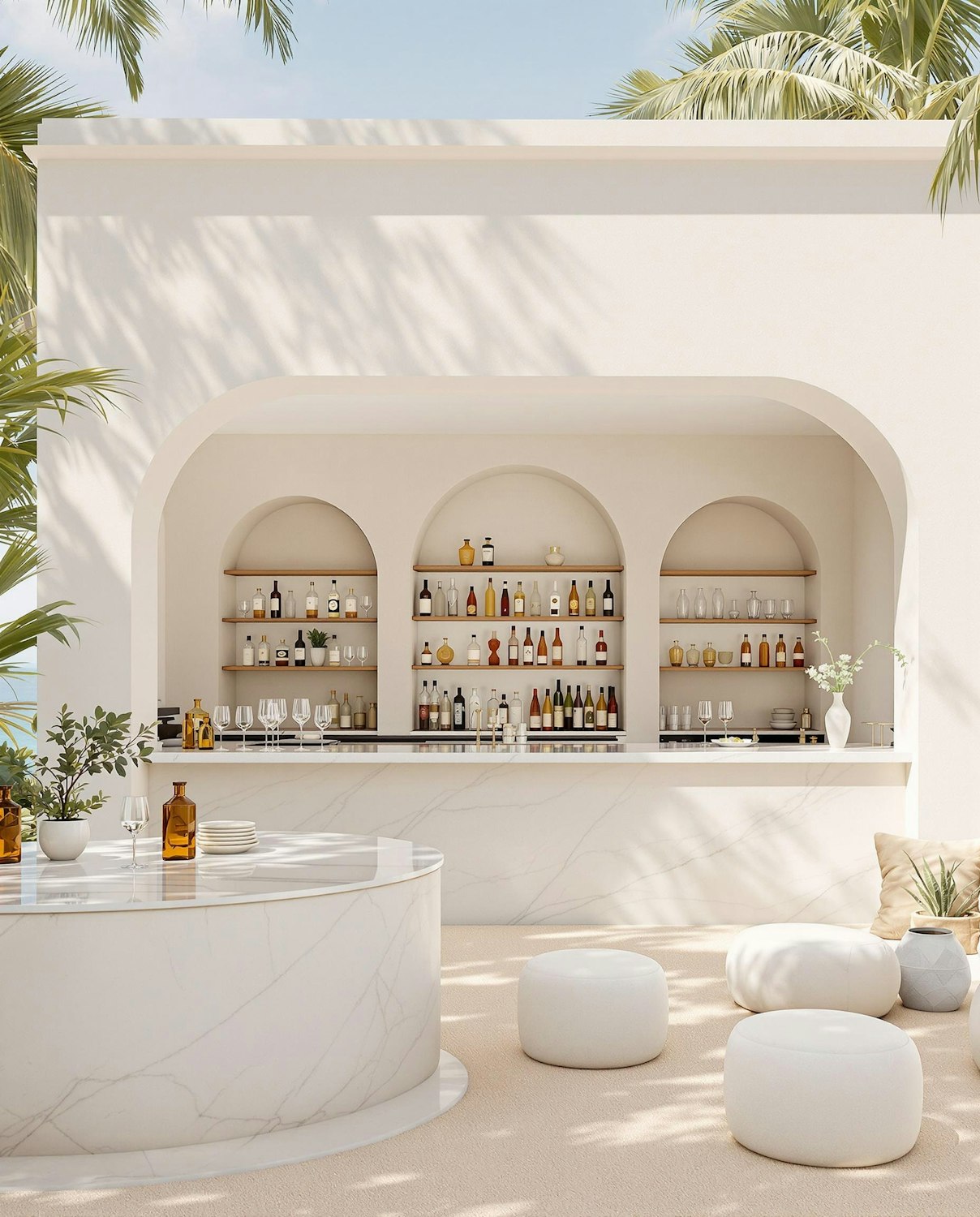
A counter built for standing at 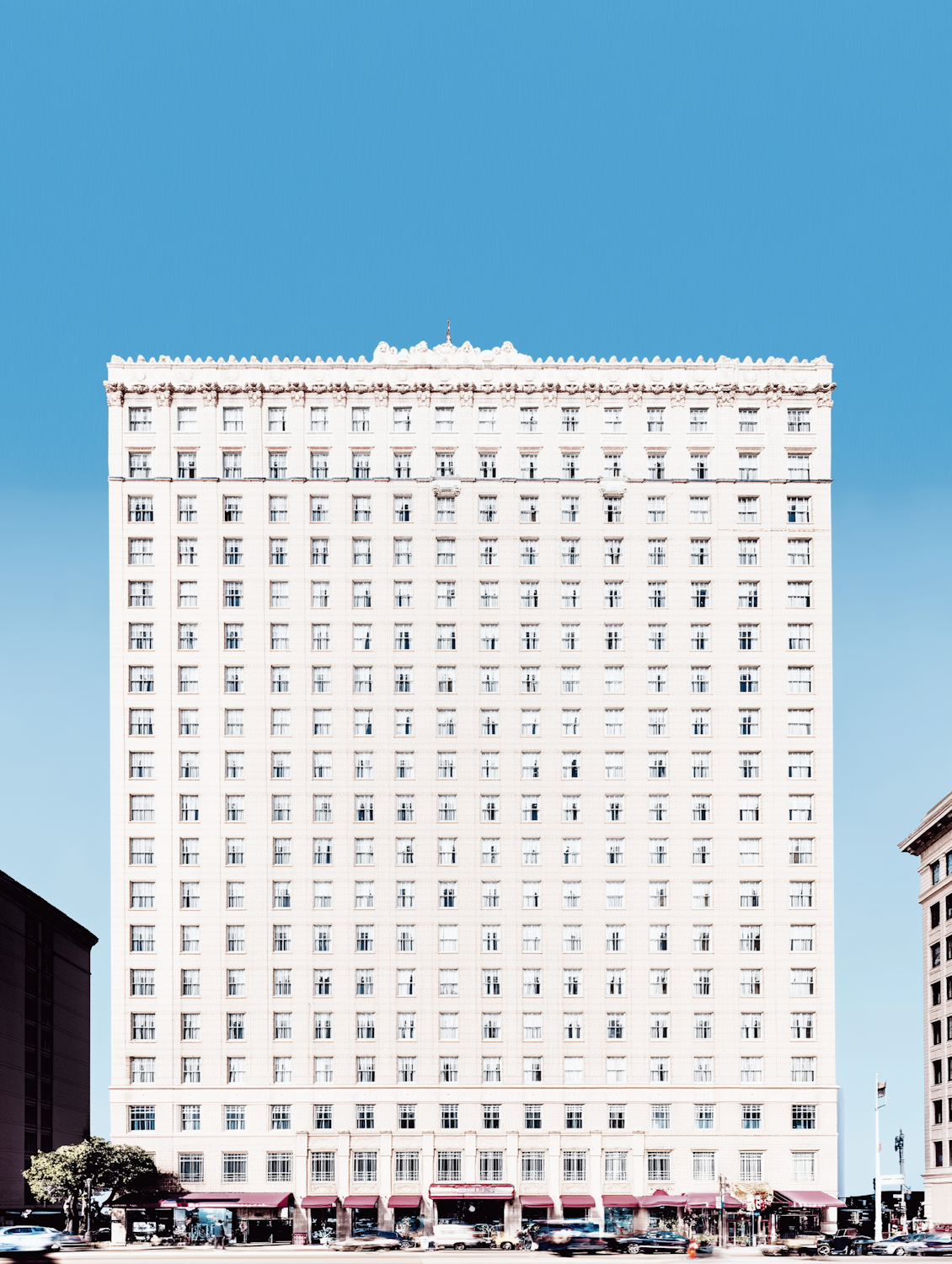
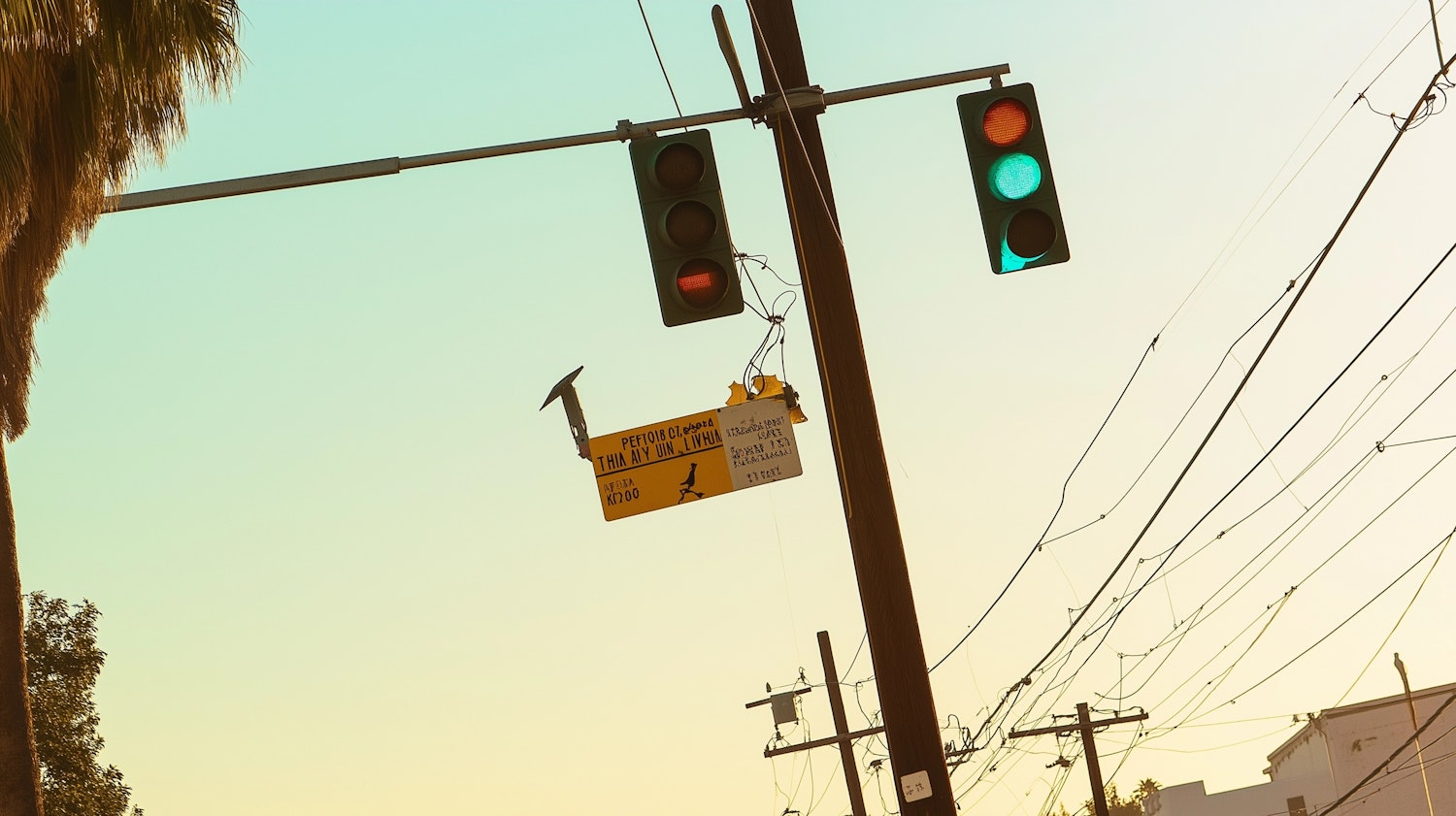
Looking up at a street corner in the hard midday light 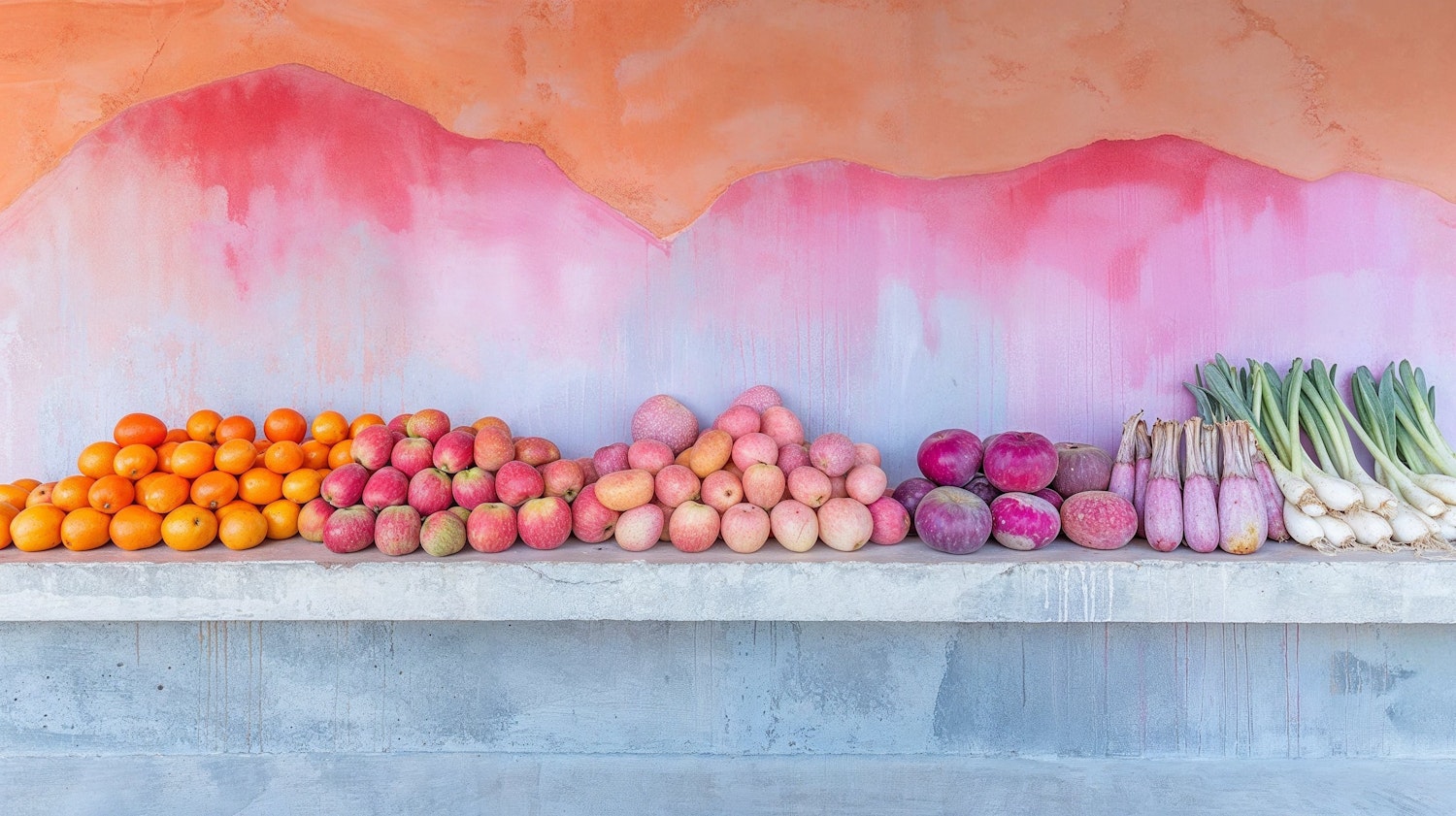
A produce stall, laid out for the morning 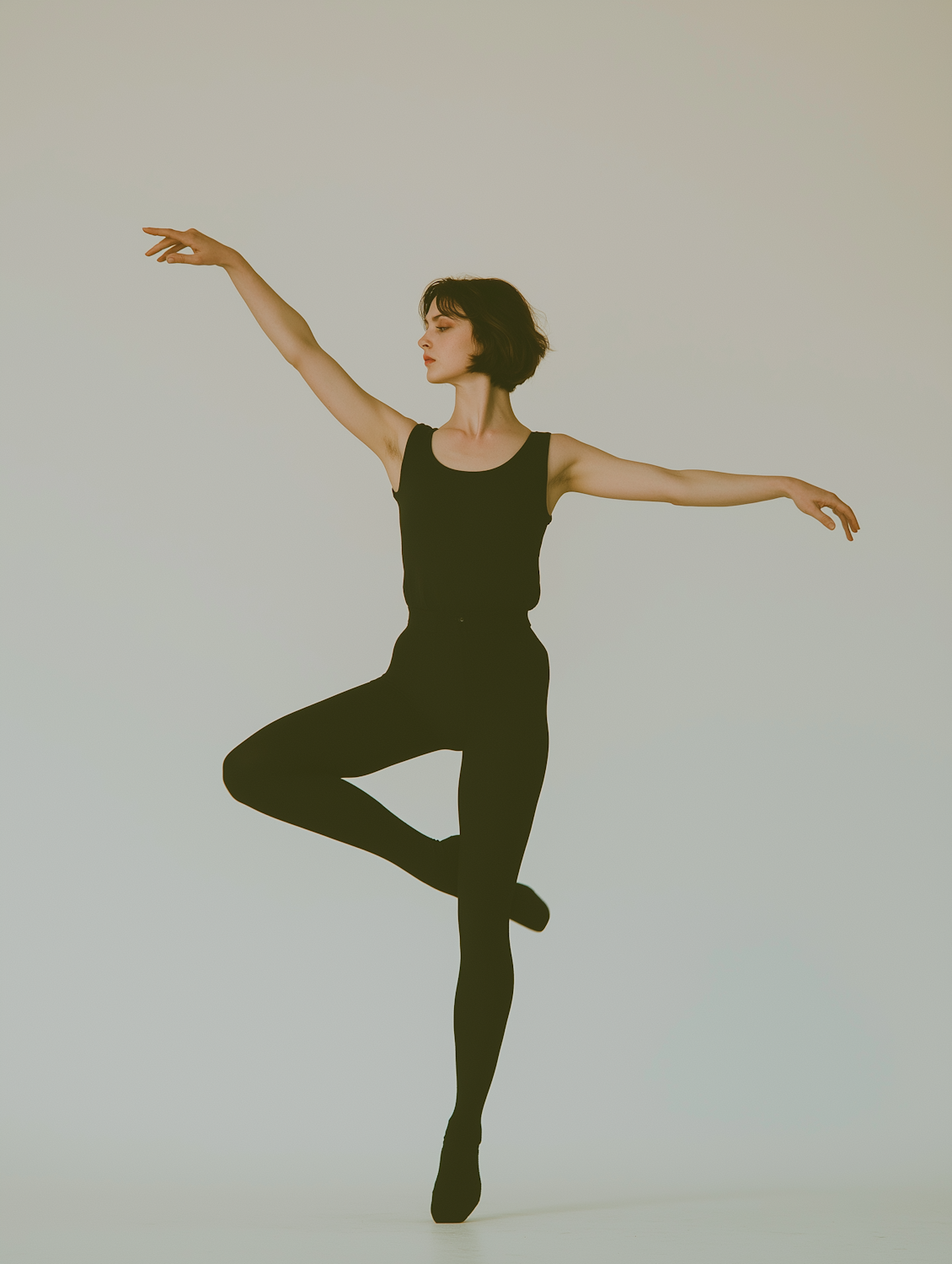
Mid-pose, and holding it


