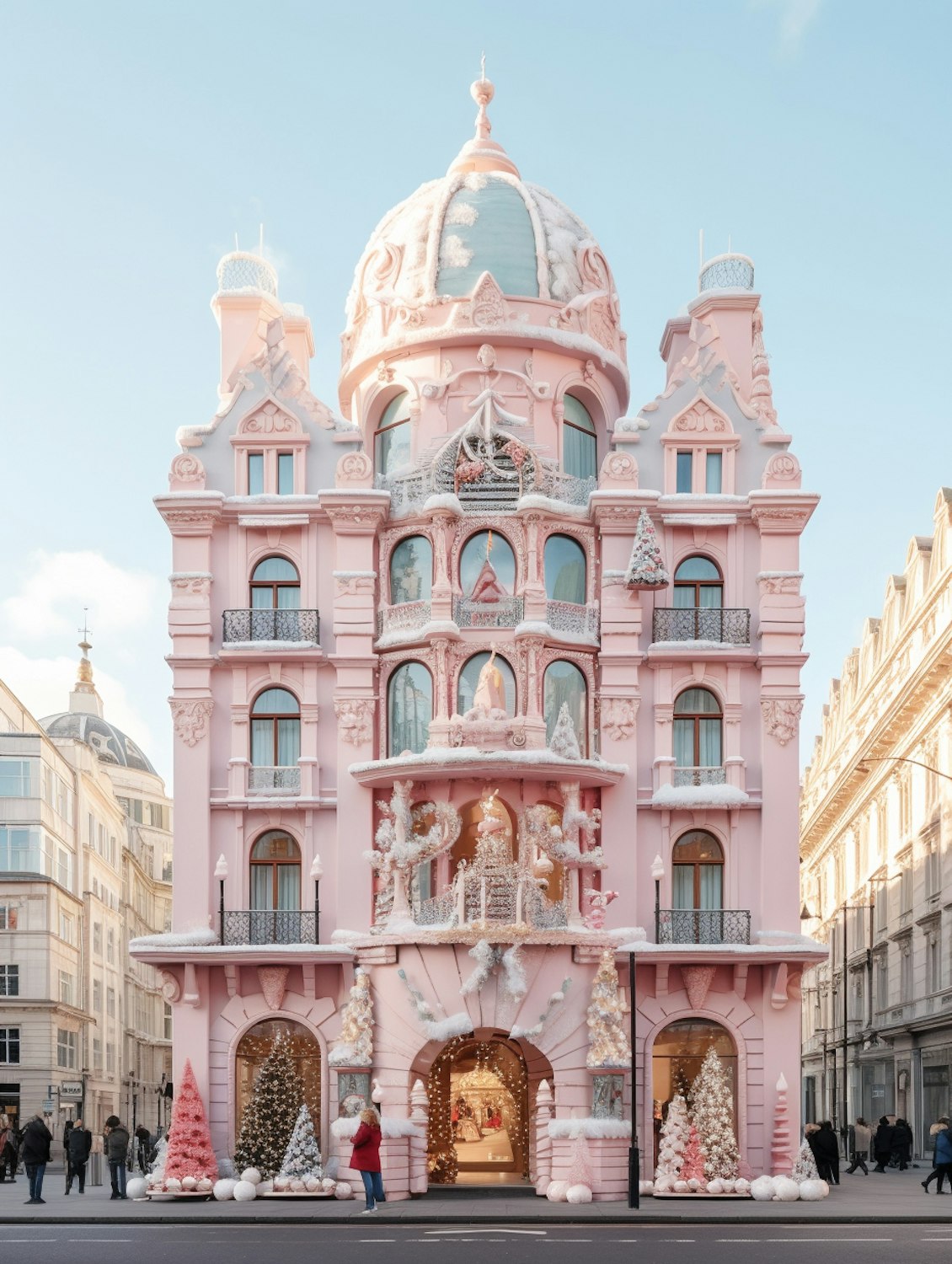
Eastern EuropePlanned for September 2027
Moscow
A city built at a scale you have to walk to believe, where the space between the buildings is part of the design.
Russia
- Region
- Eastern Europe
- Languages
- Russian, with limited English outside central areas; learning the Cyrillic alphabet helps enormously
- Currency
- Russian rouble (RUB), and foreign cards may not work, so plan how you will pay in advance
- Getting around
- A very extensive metro, backed up by buses, trams and ride-hailing
- Best months
- September to early October
- Trip length
- Ten to fourteen days
The overview
A capital of enormous distances and layered eras, where medieval fortress walls, imperial classicism, monumental twentieth-century public works and new glass towers all sit within sight of one another.
Moscow is built at a scale that takes a few days to adjust to. Squares open out like parade grounds, the main boulevards run several lanes wide in each direction, and the walk between two buildings you had assumed were neighbours can swallow twenty minutes. Those distances are not an accident or a failure of planning; they are the architecture. Once I stopped resenting them and started photographing them, the whole city made a great deal more sense to me.
The layers sit on top of one another in plain sight. There are medieval fortress walls and cathedral domes at the centre, imperial classicism in pale yellow and white spreading outwards from them, then the monumental public works of the twentieth century: underground stations built like ballrooms, ministries with towers, ring roads laid straight across everything. Beyond that again, a cluster of glass towers has gone up in a single generation. Very few cities let you read four eras from one spot.
I have pencilled in two weeks in September 2027, which should be long enough to walk the centre properly, ride the older metro lines with a camera, and take the river slowly from end to end. I want to be honest about one thing, though. Entry requirements, air routings and card payment access for Russia have all changed repeatedly in recent years and may change again, and international bank cards may not work at all. I will check my own government's travel advice and the current visa position close to the date, and I would ask you to do exactly the same.
Things to see and do
What I am going to Moscow for
The list I am actually working from, rather than everything a place is known for.
Start at the fortress and the square beside it
The walled citadel and the vast square along its eastern side are the obvious first stop, and worth doing early before the light hardens and the crowds build. Give yourself a full morning rather than an hour: the cathedrals inside the walls, the museums and the square itself each reward slow looking. Tickets for the interiors are usually best arranged in advance, and security screening takes time.
Ride the metro as an attraction, not just as transport
Several of the older central stations were designed as public halls, with chandeliers, mosaics, marble and bronze, and they cost nothing beyond an ordinary fare to see. Set aside half a day, pick a handful of stations on the earliest lines, and travel between them in the mid-morning lull when the platforms are quieter. Photography is generally tolerated, but keep out of the way of commuters and leave the tripod behind.
Book the classical theatres well before you travel
The city's classical theatres are a living tradition rather than a tourist add-on, and seats for the best-known houses go early. Look at what is on sale as soon as your dates are fixed, and stay flexible about which production you see rather than holding out for one title. Dress is smarter than you might expect in the main halls, and doors typically close firmly at curtain-up.
Give a whole day to the riverside parks
The big parks along the river are where Moscow relaxes, and in September they are at their best: embankment walks, terraces over the water, cycle paths and wide open lawns. Some of them run for kilometres, so treat them as a route rather than a destination and let them carry you between neighbourhoods. Bring a layer for the evening, when the temperature drops quickly once the sun is off the water.
Take a boat to read the city's layout
A river cruise is the quickest way to understand how the city is arranged, because almost every era it has passed through sits on the bank somewhere. Boats run through the warmer months and some operate year-round in heated cabins. Sit outside if you can bear it, go late in the afternoon for the light, and allow around two hours from end to end.
Find the post-war high-rises and photograph them properly
A ring of monumental towers from the middle of the twentieth century still dominates the skyline, tiered and spired and visible from far further away than you expect. A couple can be entered in some form, whether as a lobby or a viewing level; the rest are best appreciated from across a bridge or a wide street. They photograph well against a low sun, so save them for the first or last hour of daylight.
Set aside a full day for Russian painting
The major galleries of Russian art hold work that most visitors have never seen reproduced, and a day spent with nineteenth-century landscape and portraiture changes how the rest of the trip looks. The collections are large, so pick two or three rooms to do slowly rather than trying to cover everything. Buy entry in advance where you can, and check what is closed for rehanging before you go.
Eat past the clichés
Russian food is far broader than the handful of dishes that travel abroad. Look for the soups, the cured and pickled things that arrive before a meal, the dumplings, the buckwheat, the sour cream on almost everything, and the pastries sold from small bakeries all day long. Menus in the centre often carry English; a little further out they may not, so a translation app earns its place.
Go up for the view over the glass towers
The modern financial district is a tight cluster of glass towers a short metro ride from the centre, and the way to appreciate it is from height. Several of the buildings have public viewing levels, some enclosed and some open to the air. Go on a clear afternoon and stay through sunset if you can; the contrast between the towers and the low city beyond them is the entire point.
How to get there
Routes in, and how to move once you arrive
General guidance on the realistic ways to reach the destination. Routes, operators and journey times change, so confirm the current position before you book anything.
By air
Several international airports, with routings that have shifted a good deal
Moscow is served by several international airports spread around the city, each linked to the centre by express rail or coach. Routings from Western Europe and North America have changed considerably in recent years and now often involve a connection through a third country rather than a direct flight. Which carriers serve the city, and on what terms, can shift at short notice, and international bank cards may not work for booking or on the ground. Check your own government's travel advice and the current visa position close to your date before committing to anything.
By rail
One of the world's most extensive rail networks, with Moscow at its centre
The rail network is one of the most extensive anywhere, and Moscow sits at the middle of it. Overnight sleeper services connect the city with destinations right across the country, and the long trans-continental routes east begin here, taking the better part of a week to reach the Pacific. Several neighbouring countries are also reachable by direct train, though which cross-border services are actually running has varied a good deal. Sleepers fill up in holiday periods, so reserve early and confirm the route is operating before you plan around it.
By road
Long-distance coaches in, and good reasons not to drive yourself
Long-distance coaches run to Moscow from cities across the country and from some neighbouring states, and they are usually the cheapest way in, if not the most comfortable. Driving yourself is a different proposition: the paperwork around bringing or hiring a vehicle can be involved, insurance requirements differ from those you may be used to, road signage is largely in Cyrillic, and traffic in the city is heavy for much of the day. Unless you have a specific reason to drive, arrive another way and use the metro.
Entry and paperwork
A visa is usually required, and the rules have moved more than once
Most visitors need a visa, and the process, the categories on offer and the rules around registering your stay have all changed more than once in recent years, as have flight routings into the city. I am treating none of it as settled. Card payment is the other thing to plan for: bank cards issued abroad may not work at all, so decide in advance how you will pay. Read your own government's current travel advice and check the visa position with the relevant official source close to your departure.
Getting around
The metro first, ride-hailing second, walking in between
The metro is the answer to almost everything here. It is very extensive, runs frequently from early morning until late, and stations are signed in Cyrillic with Latin transliteration on the newer maps, so learning to read the alphabet pays for itself within a day. Ride-hailing apps are widely used and often easier than flagging a taxi, though setting one up may depend on having a payment method that works locally. Between the two, and a great deal of walking, I do not expect to need anything else.
When to go
The year, season by season
What each part of the year actually feels like on the ground, including the months I would avoid.
Best monthsSeptember to early October
Spring
Late April to June
One of the two strongest windows
The city comes outdoors all at once. Days lengthen quickly, the parks turn green, and temperatures climb from around ten degrees Celsius into the low twenties Celsius by June. May and June are as good as it gets for walking and filming, with long light evenings and mostly settled weather. Showers still arrive without warning, so pack a light waterproof anyway.
Summer
July to August
Warm, green and generously long-daylighted
Daytime temperatures often sit in the mid twenties Celsius and can push higher in a hot spell, with daylight stretching well into the evening. The riverside parks are at their liveliest and the terraces are all open, though thunderstorms roll through and the centre can feel heavy and close. It is a fine time to be here, simply less comfortable for long walking days.
Autumn
September to early October
The window I am aiming for
September is my pick: warm afternoons, cool clear mornings, and the parks turning gold before the weather breaks. Temperatures typically ease from the high teens Celsius down towards single figures by the end of the period, and the light stays low and generous for most of the day. Book accommodation early, because it is a popular stretch.
Winter
November to March
Severe, but genuinely spectacular if you are equipped
This is proper winter. Temperatures sit below freezing for months and a cold snap can take them well below minus ten degrees Celsius, with short days and long blue dusks. Snow on the domes and the lit squares of the festive season are worth seeing, and the museums and theatres are made for exactly this weather. Come only with real boots, layers and a windproof coat.
Photo gallery
Moscow in frames
Reference images gathered while planning the trip, shot wide and graded for contrast.
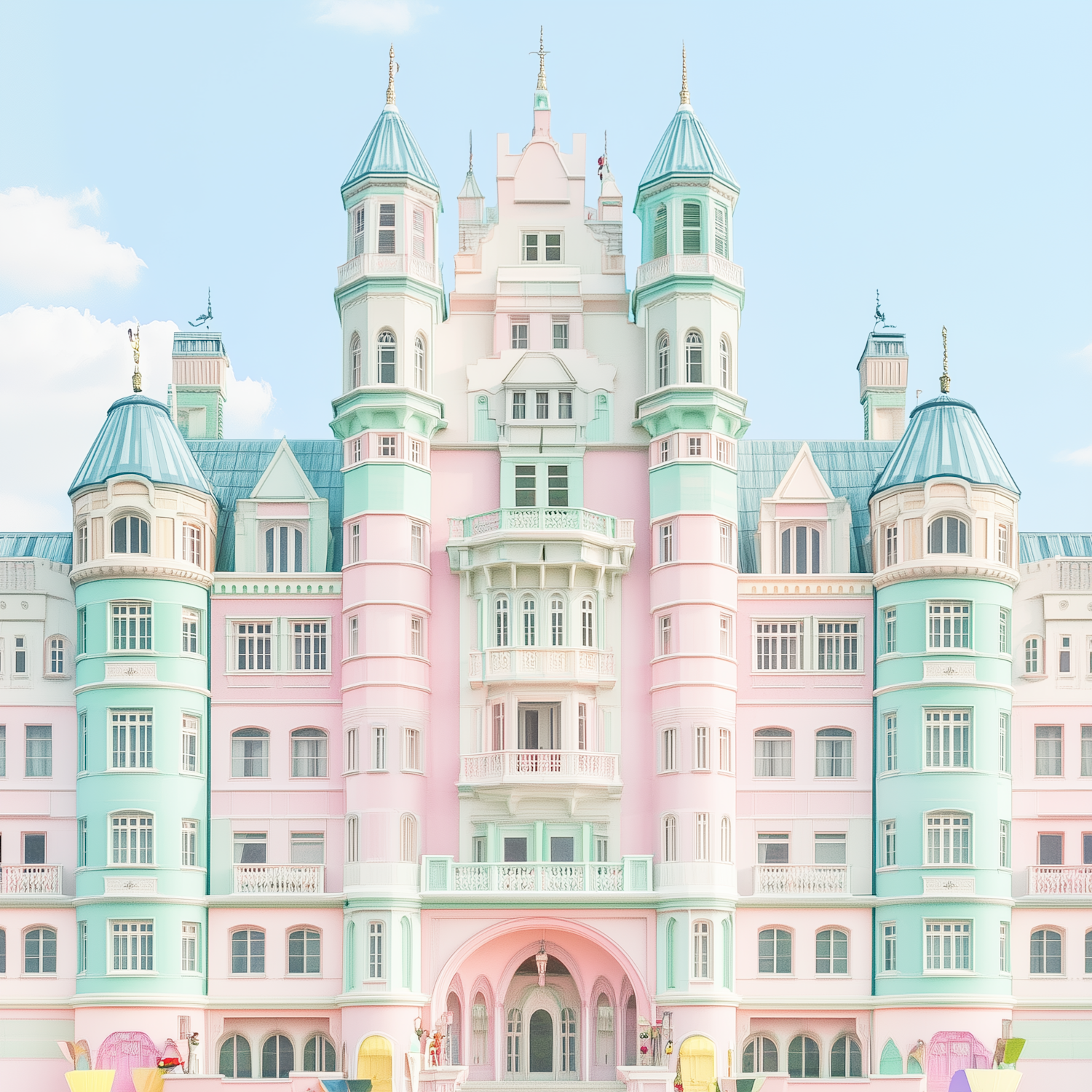
Turrets and spires against a hard blue sky 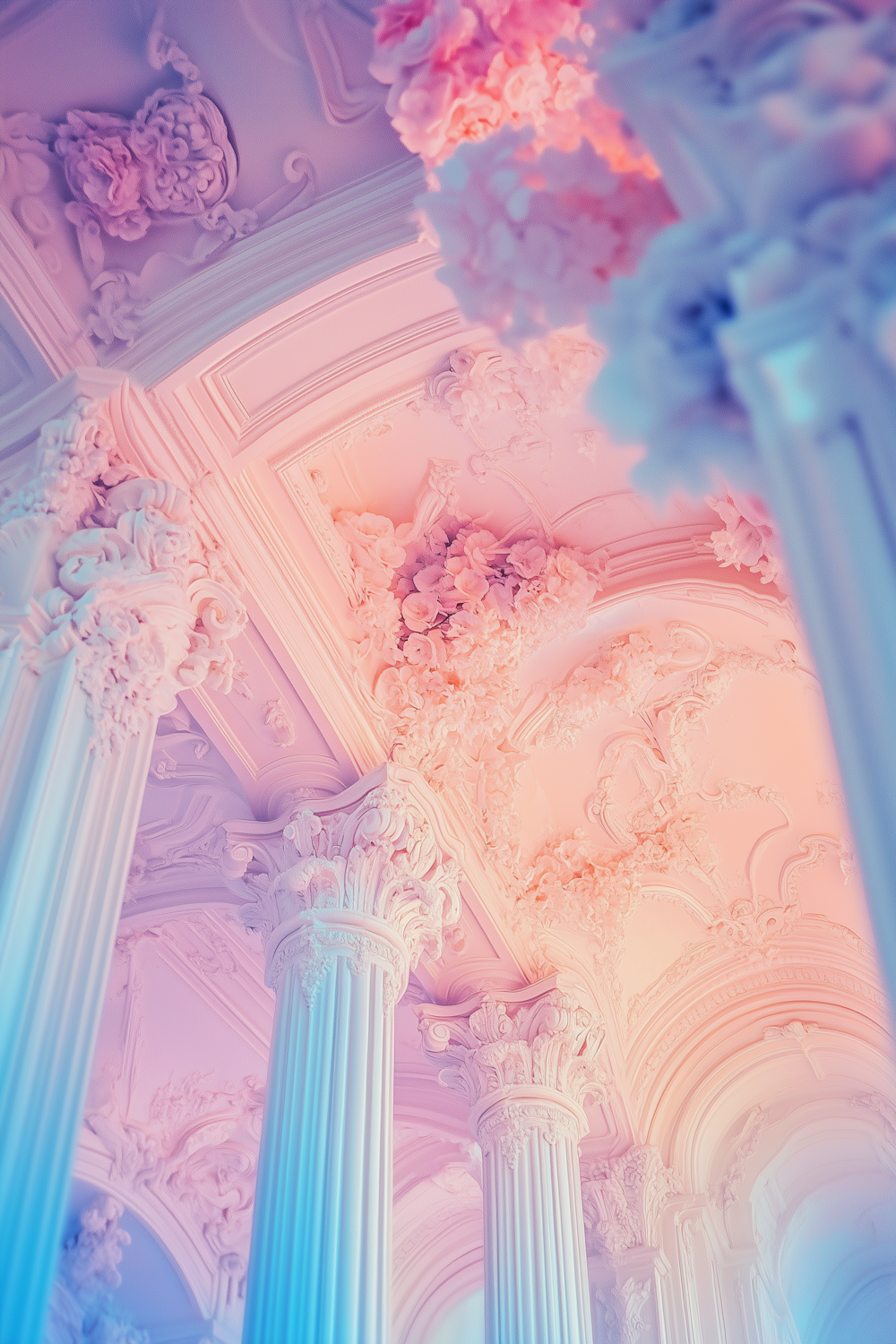
A public interior built like a ballroom, columns and all 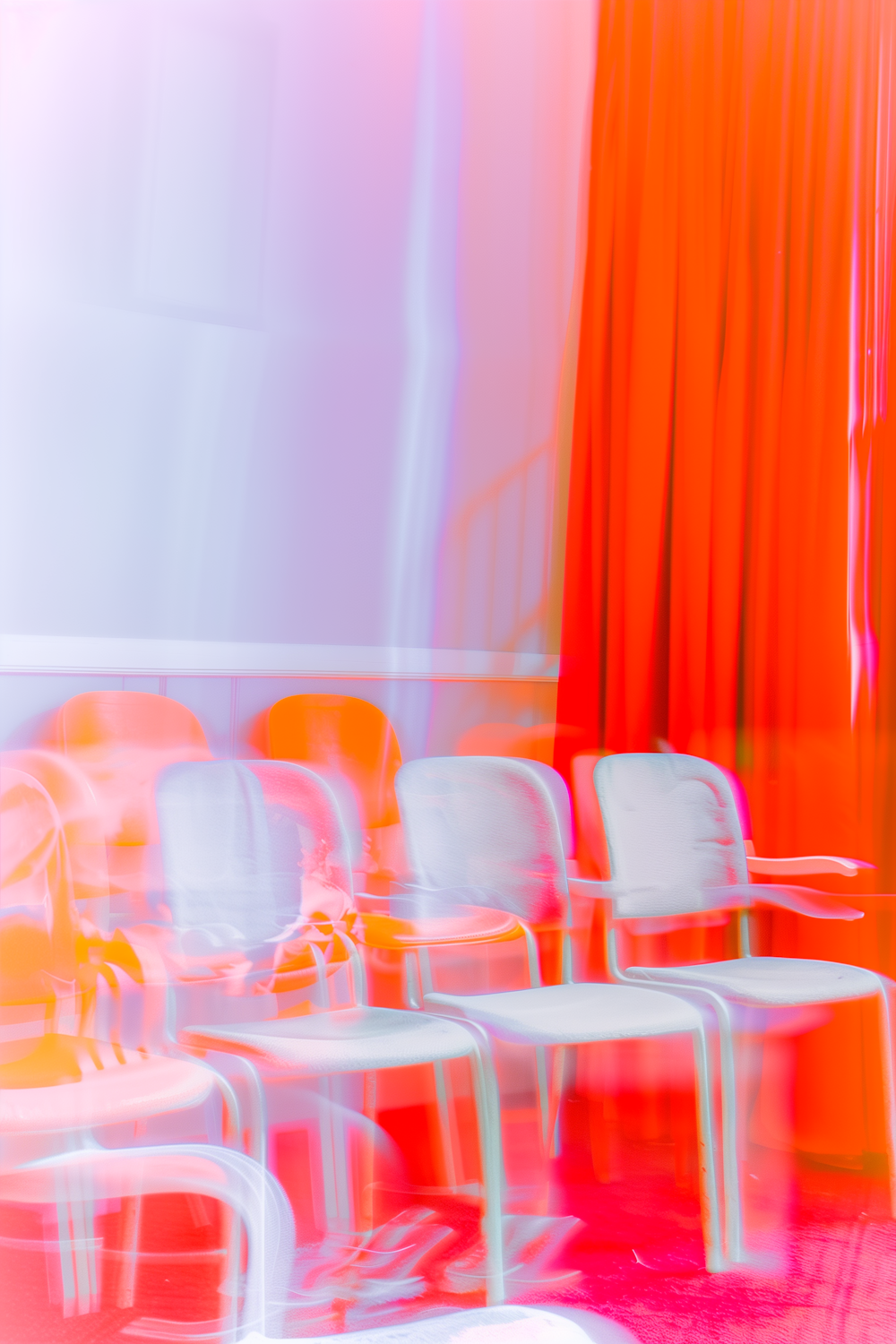
An auditorium in the last few minutes before curtain-up 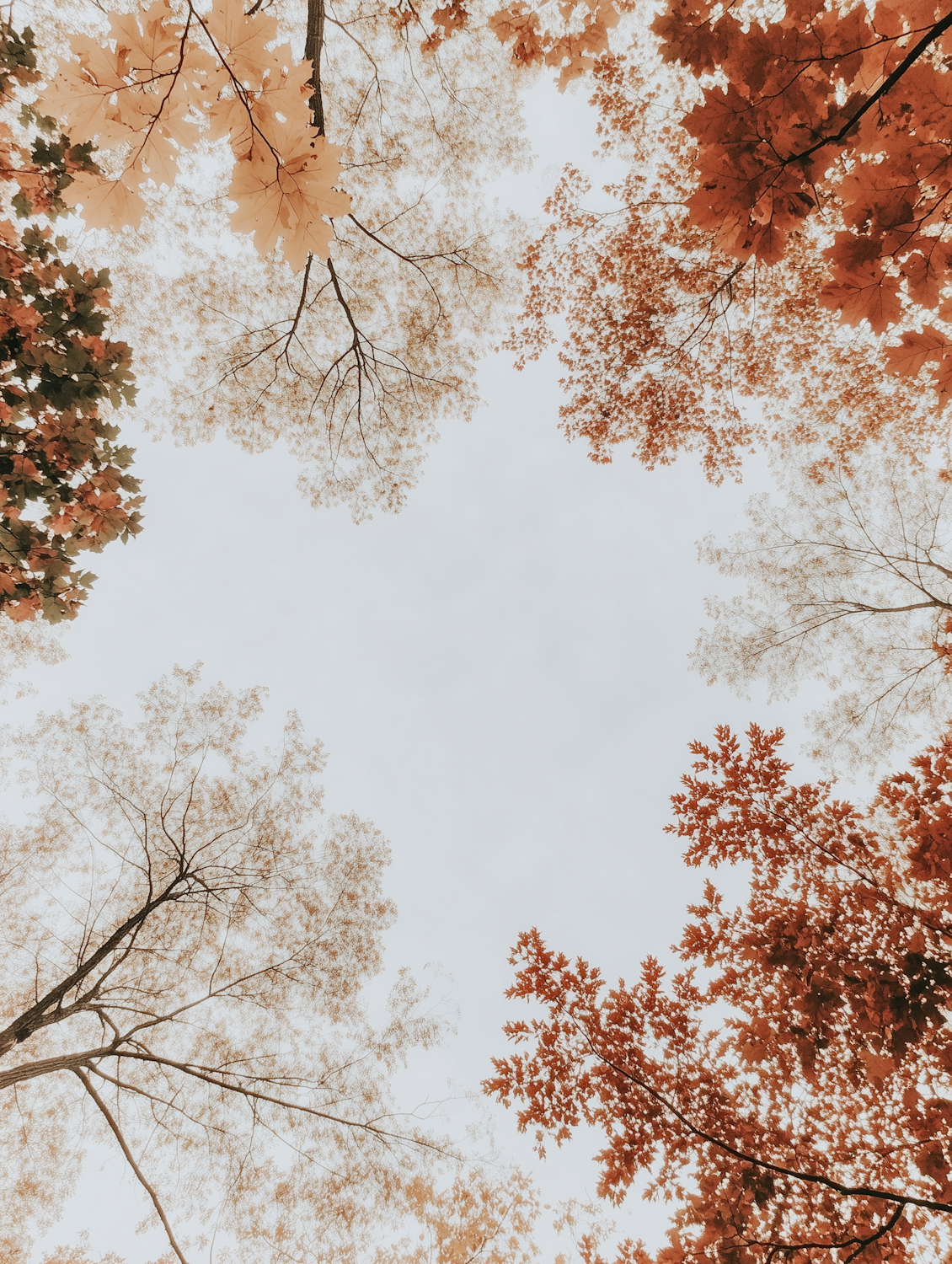
Early autumn in the parks, looking straight up 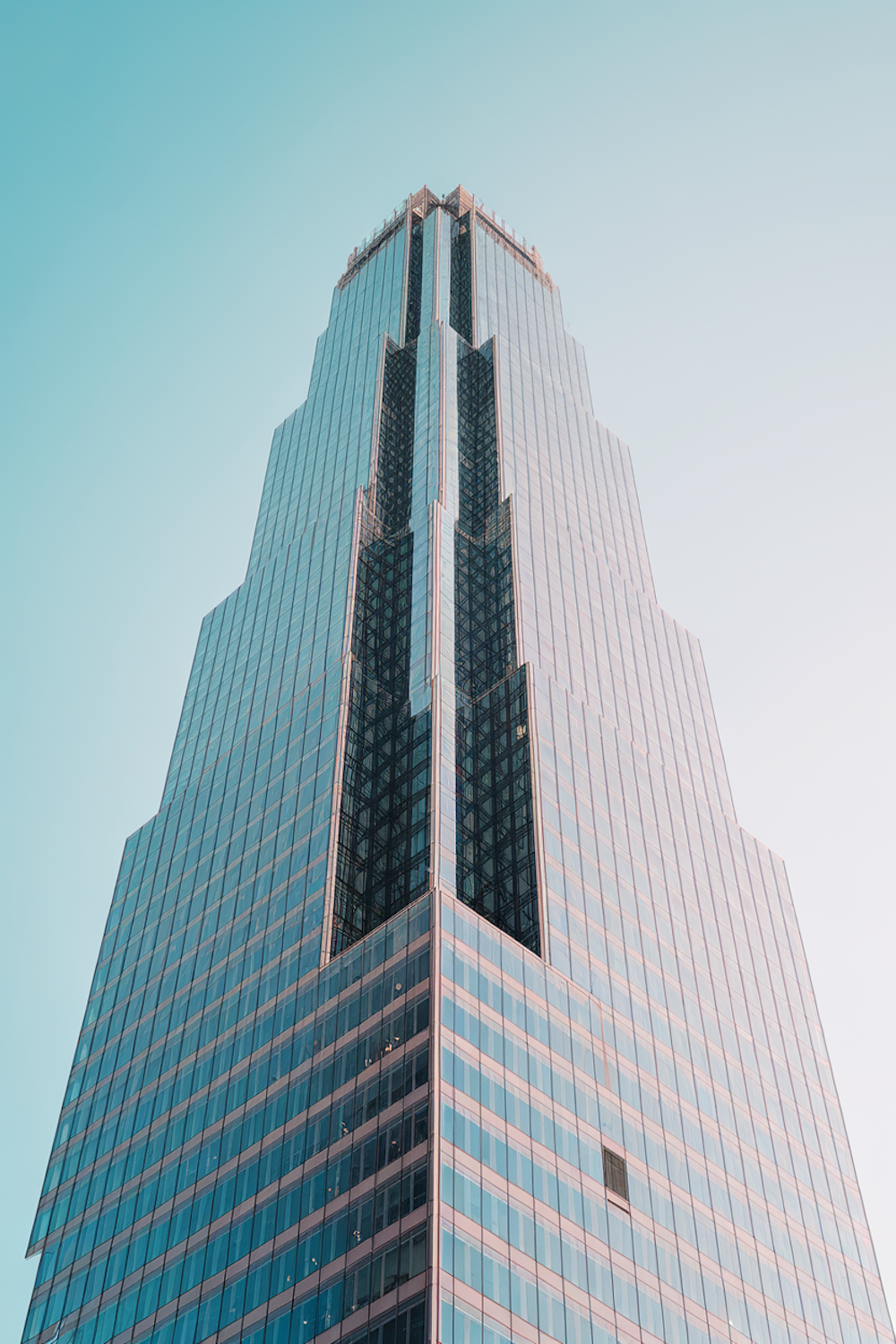
A new tower catching the sky, all verticals and reflection 
Sour cream, roe and dill, the three things that turn up everywhere


