East AsiaPlanned for March 2026
Hong Kong
A city compressed between water and hillside, best read at night and on foot.
Hong Kong SAR, China
- Region
- East Asia
- Languages
- Cantonese and English, both widely used on signage
- Currency
- Hong Kong dollar (HKD)
- Getting around
- Metro, trams, buses and ferries on one stored-value card
- Best months
- October to early December
- Trip length
- Ten to fourteen days
The overview
Seven islands of dense vertical city wrapped around a working harbour, with country parks and quiet fishing villages twenty minutes from the last tower block.
Hong Kong is the most vertical place I have ever tried to photograph. The land runs out almost immediately, so the city goes upward instead, and the result is a skyline that reads less like architecture and more like weather. From a ferry deck at dusk you can see the whole thing at once, which is the only sensible way to meet it.
What surprises most first-time visitors is how quickly it stops. Roughly three quarters of the territory is not built on at all. You can leave a subway station in the middle of a dense district, walk uphill for forty minutes, and find yourself on a ridge with nothing ahead but sea and green hillside. That contrast is the reason this trip sits near the top of my list.
I am planning a two-week stay in March 2026, split between Hong Kong Island, Kowloon and at least three days on the outlying islands. The plan is to film the harbour crossing properly, walk the ridge trails in the early morning light, and eat my way slowly through the tea houses that open before seven.
Things to see and do
What I am going to Hong Kong for
The list I am actually working from, rather than everything a place is known for.
Cross the harbour by ferry, twice
The short crossing between the island and Kowloon is the cheapest sightseeing in the city and the single best introduction to it. Do it once in daylight to understand the geography, then again after dark when the towers on both shores are lit. Sit on the open lower deck and look backwards as you pull away.
Ride the tram along the north shore
The double-deck trams have run the length of the island's north shore for well over a century. Climb to the upper deck, take a front seat, and let it carry you slowly through the old districts. It moves at the speed of the street, so you actually see the shopfronts and the wet markets rather than a blur.
Take the ridge trails at first light
A network of well-marked hiking trails runs along the spines of the hills, some of them reachable by bus from the city centre in under an hour. Start early, carry more water than you think you need, and you will have the ridge and the sea view largely to yourself before the day heats up.
Eat dim sum where the tea comes first
Morning tea is a social institution here, not a tourist activity. The older tea houses fill from about seven, run on shared tables, and expect you to order in rounds rather than all at once. Go hungry, go early, and let the trolley decide most of it for you.
Walk the neon streets after rain
The dense commercial streets are at their most photogenic in the hour after a shower, when the signage doubles in the wet pavement. Bring a camera you can hold steady at slow shutter speeds and give yourself a whole evening rather than a quick pass.
Spend a day on the outlying islands
Regular passenger ferries connect the central piers to a scatter of smaller islands, several of them largely car-free. They are where the pace finally drops: seafood restaurants along the waterfront, low houses, bicycles, and hill paths that take a couple of hours end to end.
Visit the hillside temples and monasteries
Several of the territory's most striking religious sites sit above the city on wooded slopes, reached by long stairways or a cable car. Arrive on the first service of the morning if you want the terraces quiet, and dress so that your shoulders and knees are covered.
Work through the night markets
The evening street markets are as much for eating as for shopping. Stalls open through the late afternoon and run until close to midnight, and the food stands tucked between them are usually better value than anything on the main road.
Find the wet markets before breakfast
Every district has one, and they are busiest and best between six and nine in the morning. Even if you are not cooking, an hour spent walking a wet market tells you more about how a city actually eats than any restaurant list will.
How to get there
Routes in, and how to move once you arrive
General guidance on the realistic ways to reach the destination. Routes, operators and journey times change, so confirm the current position before you book anything.
By air
Long-haul flights arrive at the territory's single international airport
Hong Kong is one of the best-connected airports in Asia, with direct long-haul services from Europe, North America, Australia and across the region, plus a dense short-haul network into mainland China and Southeast Asia. Flights from Western Europe are typically in the region of eleven to thirteen hours non-stop. The airport sits on reclaimed land west of the city and is linked to the centre by a dedicated express rail line, airport coaches to most major districts, and taxis colour-coded by the area they serve. Confirm current routings and timings with the airline, as schedules change seasonally.
By rail
High-speed rail from mainland cities into West Kowloon
A high-speed line connects Hong Kong directly to the mainland network, with services from neighbouring Guangdong cities taking under an hour and longer routes running north to major cities over several hours. Trains terminate at a central Kowloon station where immigration for both sides is handled under one roof, which makes it a genuinely straightforward way to arrive if you are already travelling in the region. Book ahead in holiday periods, and allow time for border formalities.
By ferry
Passenger ferries across the Pearl River Delta
Fast catamaran services link Hong Kong with Macau and several mainland ports across the delta, usually taking around an hour to Macau depending on the pier used. Ferries run frequently throughout the day from terminals on both sides of the harbour, and some services connect directly with the airport for passengers in transit. Sailings are weather-dependent and are suspended when a typhoon signal is raised.
By road
Cross-boundary coaches and the delta bridge
Long-distance coaches run from Hong Kong to cities across the neighbouring province, and a road crossing over the delta links the territory with Macau and Zhuhai by shuttle bus. Coaches are inexpensive and frequent but journey times vary considerably with border queues, so treat any quoted duration as a best case rather than a promise.
Getting around
One stored-value card covers almost everything
A single contactless stored-value card works on the metro, buses, trams, most ferries and in a great many shops, and it is the first thing to buy on arrival. The metro is fast, clearly signed in English, and reaches most places a visitor needs. Trams and ferries are slower but far more enjoyable. Taxis are metered and reasonably priced, though drivers may have limited English, so having your destination written in Chinese helps.
When to go
The year, season by season
What each part of the year actually feels like on the ground, including the months I would avoid.
Best monthsOctober to early December
Autumn
October to early December
The best window, and the one I am aiming for
Humidity finally drops, skies clear, and daytime temperatures settle into the low to mid twenties Celsius. This is when the harbour views are sharpest and the hiking is genuinely pleasant rather than punishing. It is also the busiest and most expensive stretch of the year, so book accommodation well ahead.
Winter
January to February
Cool, dry and underrated
Temperatures often sit in the mid teens Celsius and can dip lower on the hills, which catches people out. Skies are usually clear, crowds thin outside the Lunar New Year period, and prices soften. Bring a proper jacket for evenings and expect many smaller businesses to close for several days around the new year holiday.
Spring
March to May
Warm and atmospheric, but often grey
Humidity climbs quickly and low cloud can sit on the hills for days, which means the famous viewpoints may show you very little. The upside is soft, diffuse light that suits street photography, fewer visitors than autumn, and warm evenings. Pack for rain and treat any hilltop plan as optional.
Summer
June to September
Hot, wet and the height of typhoon season
Expect temperatures around thirty degrees Celsius with very high humidity, heavy afternoon downpours, and the real possibility of a tropical cyclone. When a high typhoon signal is raised the city effectively stops: ferries are cancelled, shops close and outdoor plans are abandoned. Travel insurance that covers weather disruption is worth having.
Photo gallery
Hong Kong in frames
Reference images gathered while planning the trip, shot wide and graded for contrast.
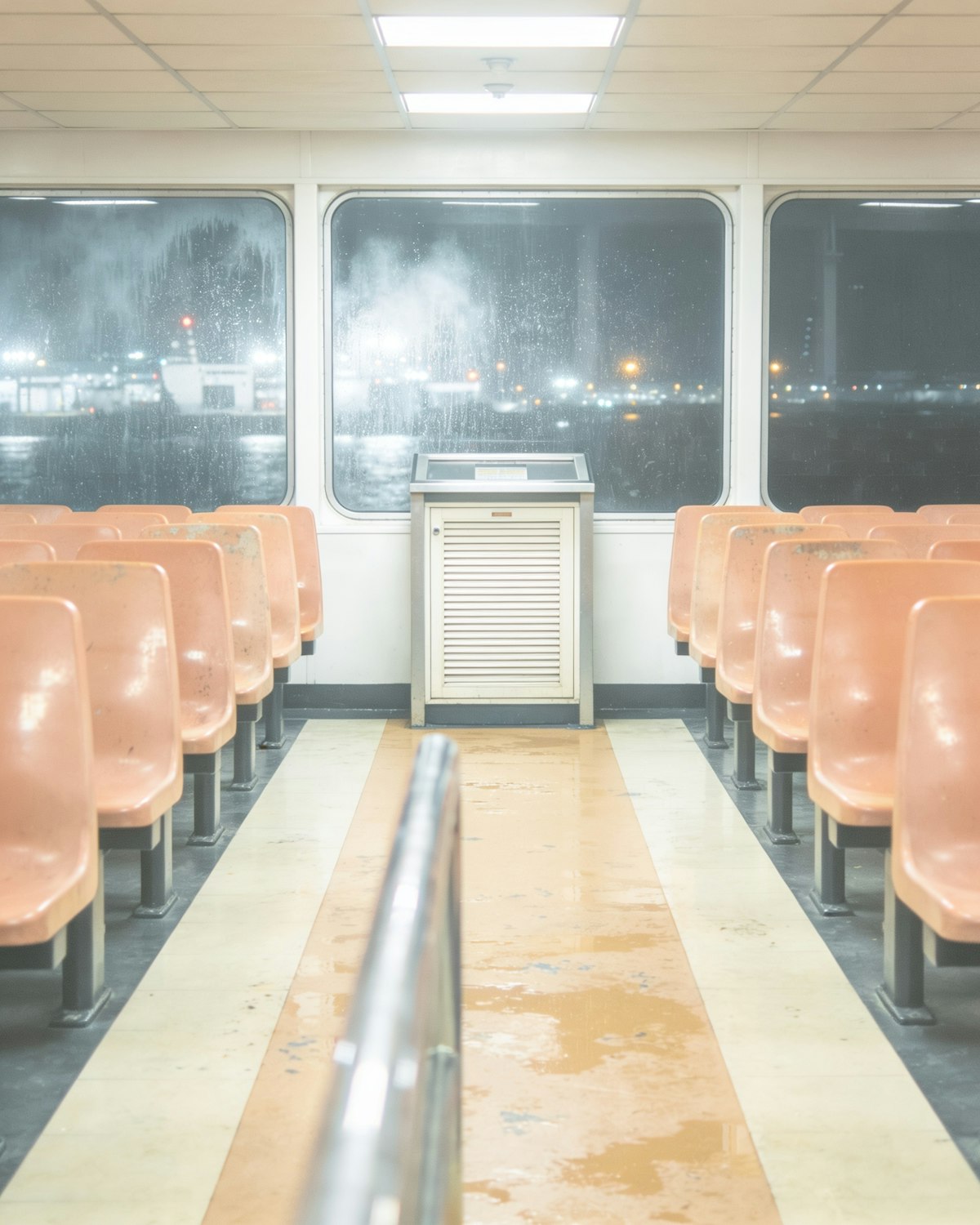
The lower deck of a harbour ferry on a wet evening crossing 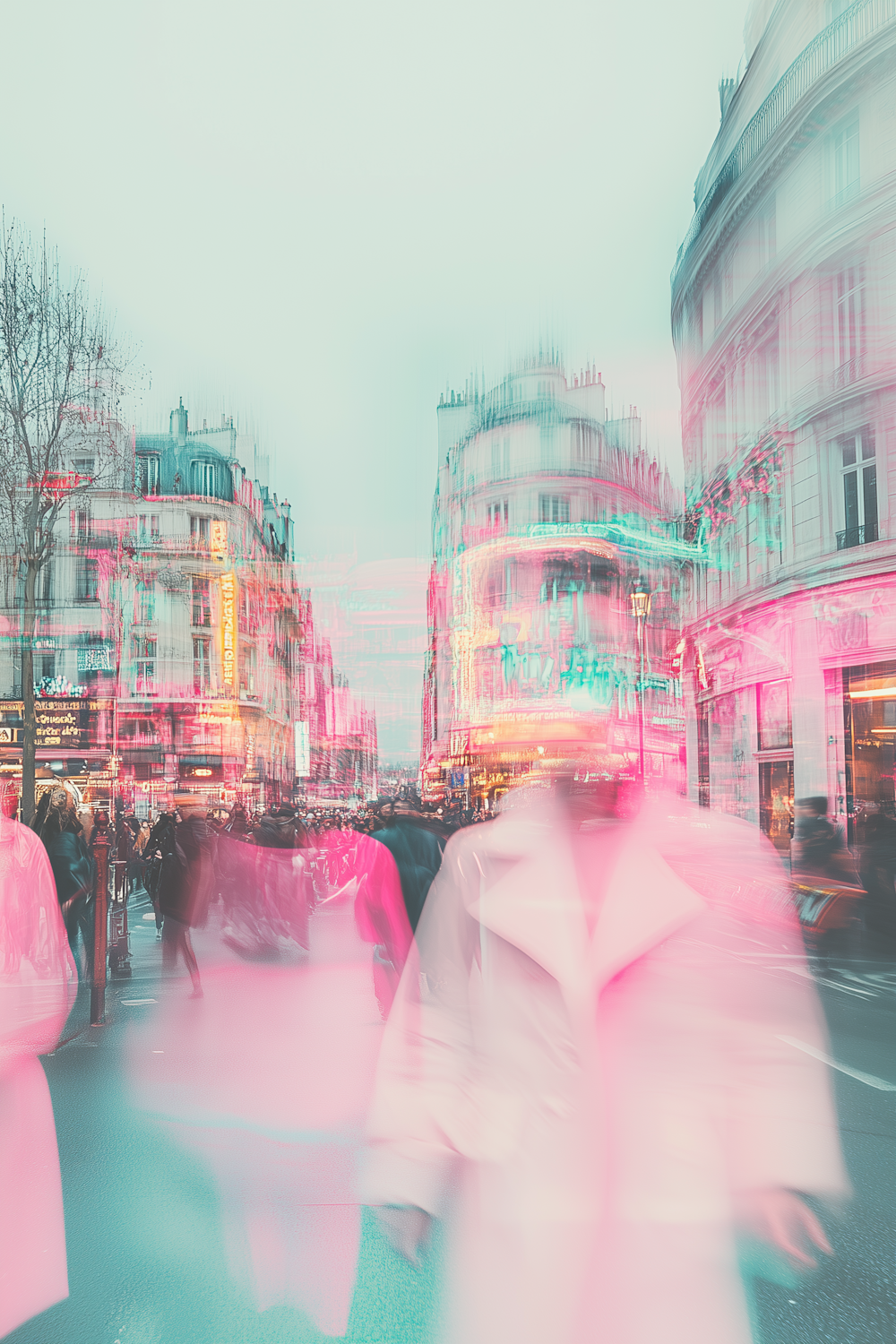
Neon over a side street, long exposure 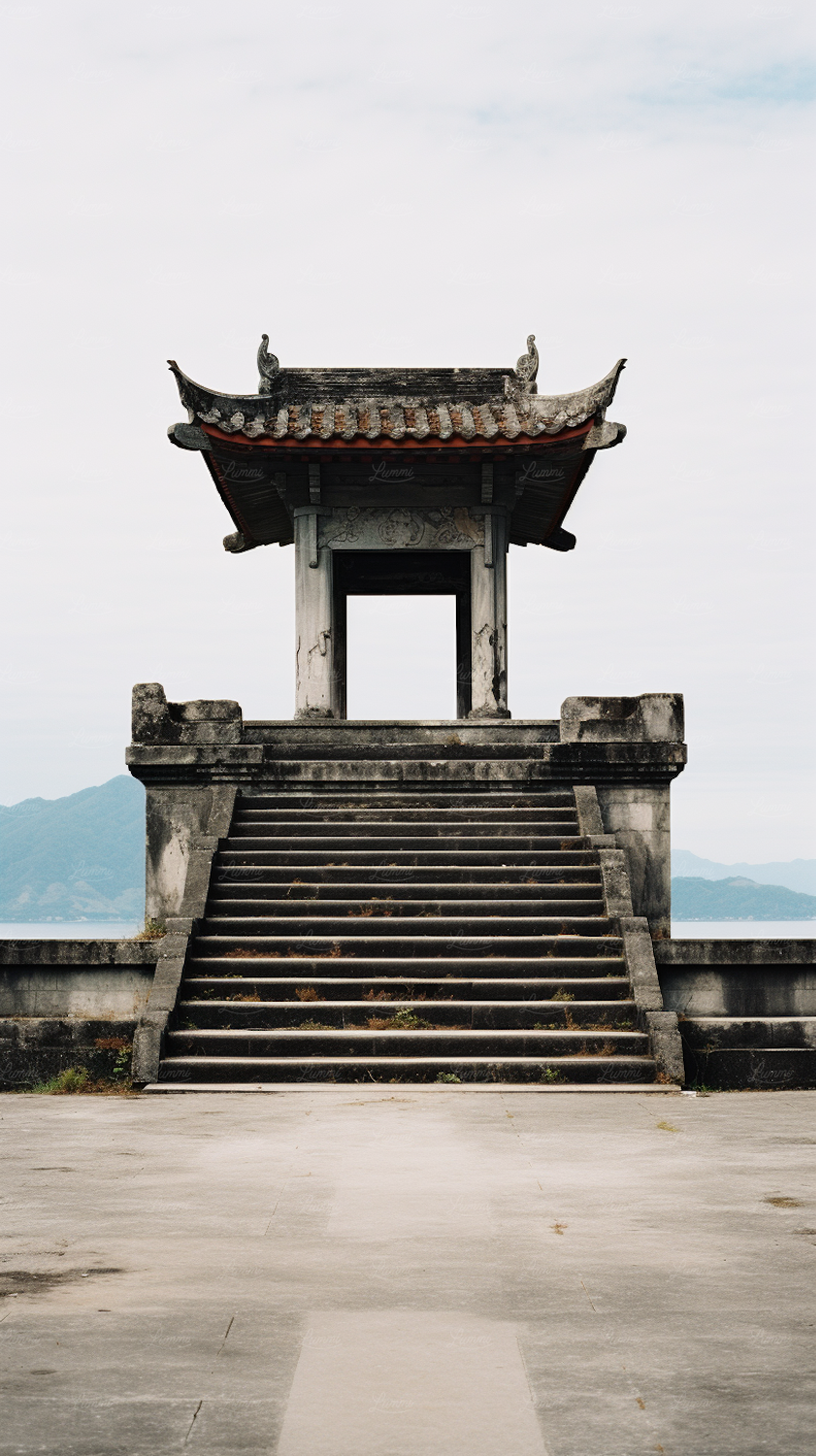
A hillside temple pavilion above the treeline 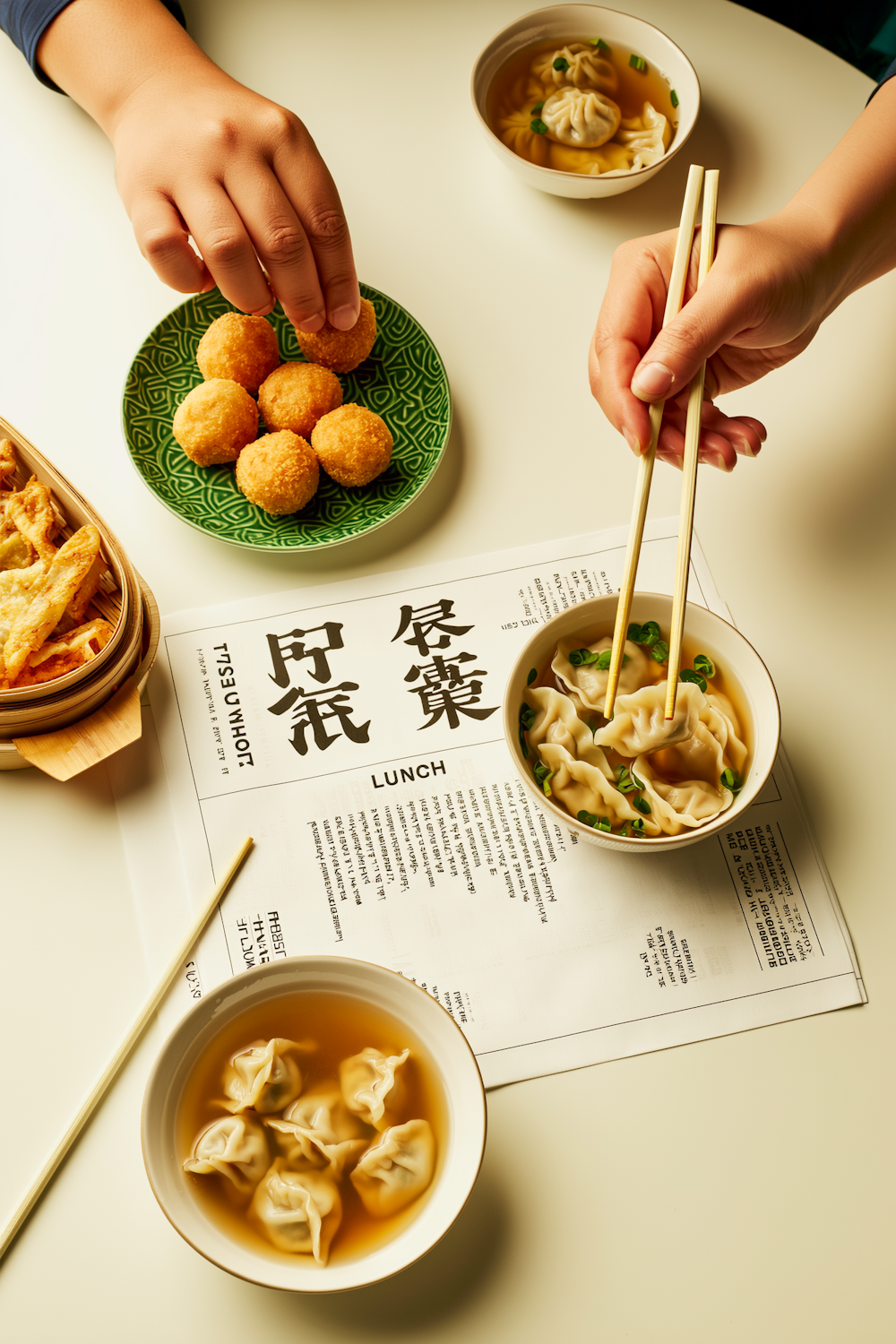
Morning tea, ordered in rounds and shared across the table 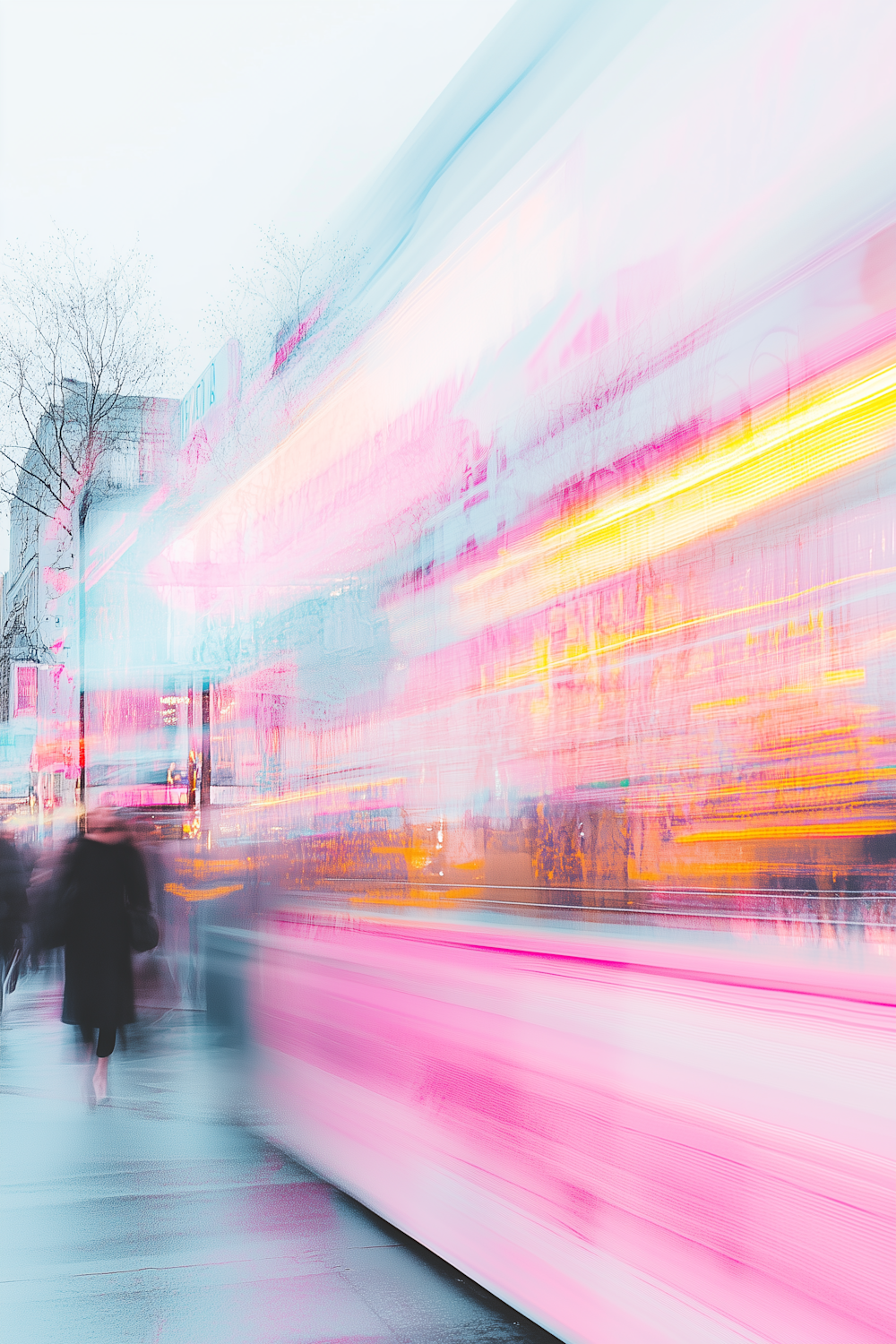
The street an hour after a shower, when everything doubles 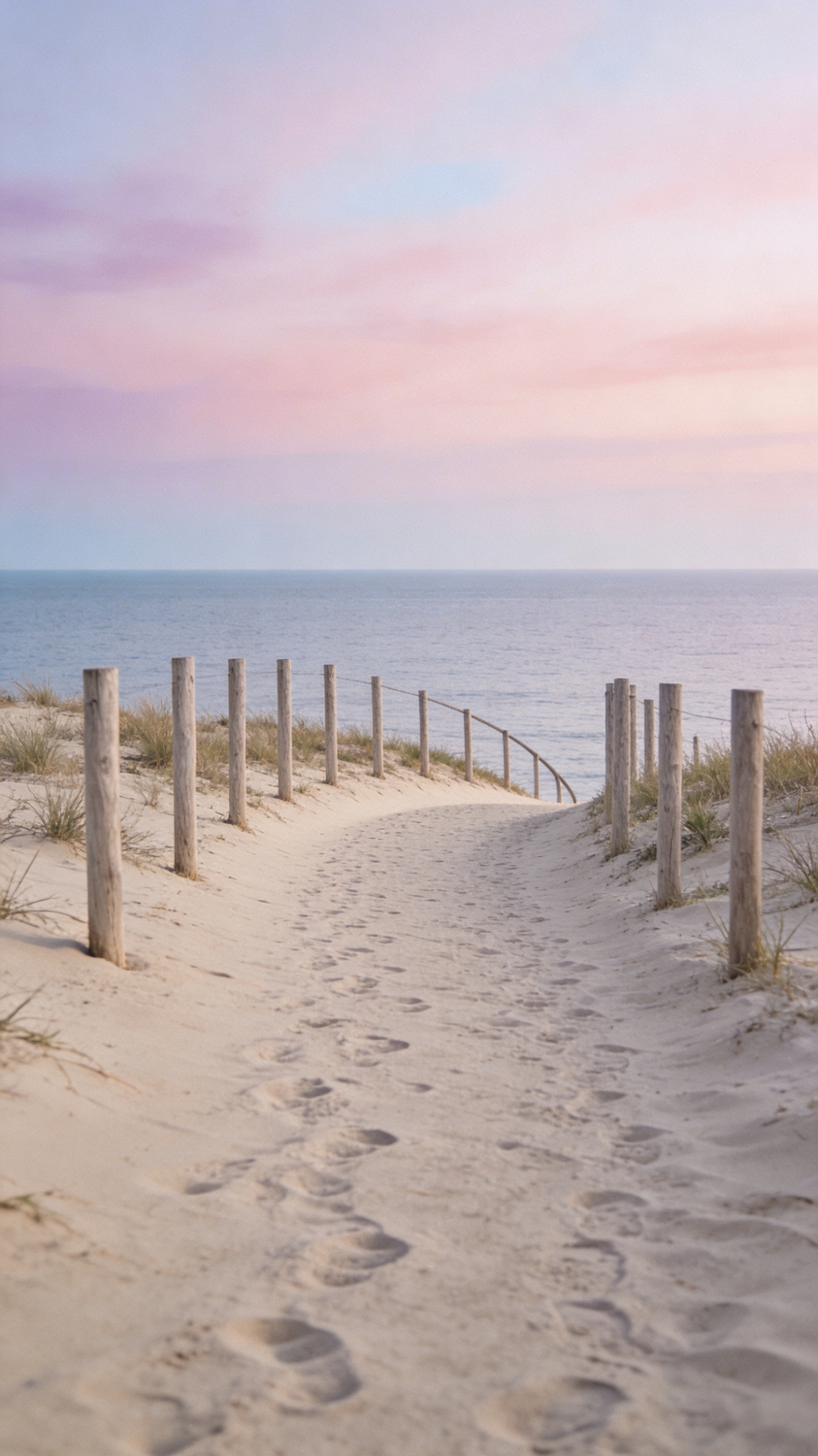
A coastal path on one of the outlying islands


